Blog / Habits
What your pantry can say about your habits
Not a horoscope. A pattern you can notice when you stop reading one receipt at a time.
Lleno · September 3, 2026 · 4 min read
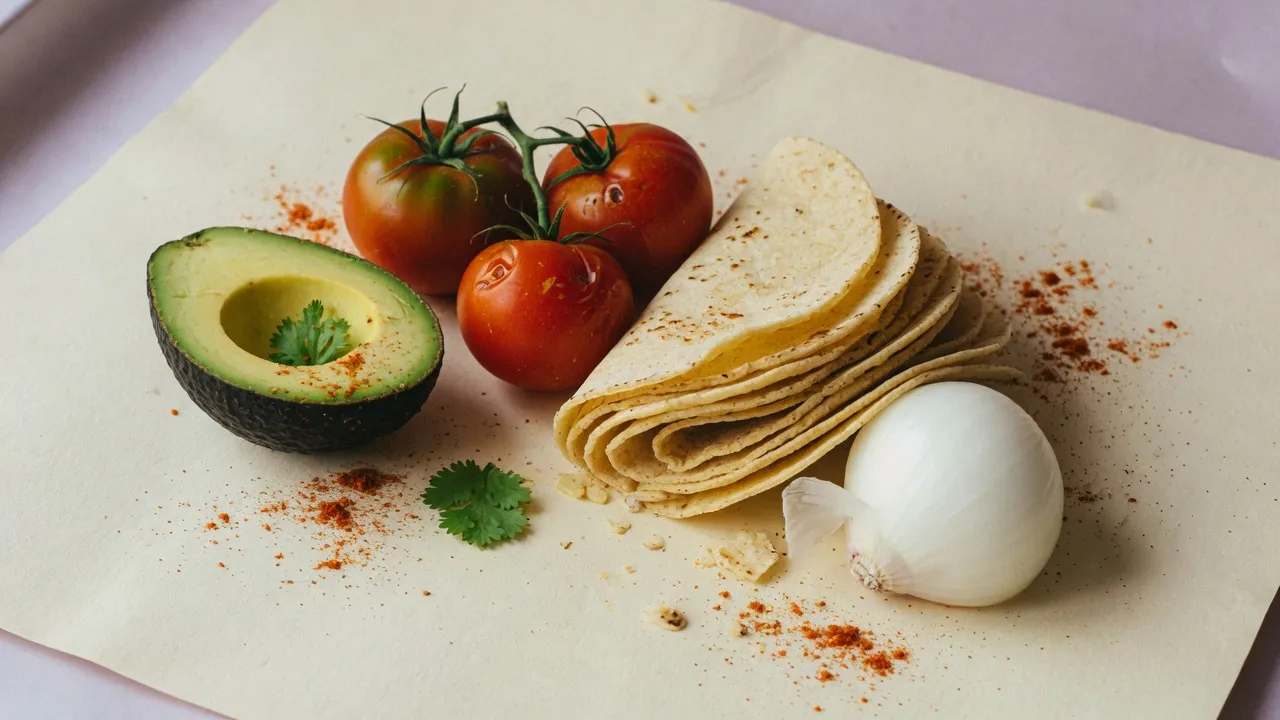
A pantry is not a confession. It records what a household could, wanted to or needed to buy.
With some distance, it tells you more about rhythm than virtue.
The invisible list
Some products keep appearing: milk, eggs, tortillas, soap. That invisible list is your real basket. When it changes—diapers arrive, soda disappears—the household may have changed, too.
Timing needs context
A supermarket receipt at 1 p.m. and a corner-store receipt at 9:40 p.m. might represent different needs. The printed time is useful evidence. It cannot, by itself, prove that a purchase was impulsive or expensive.
Hallazgo
A useful pattern combines repeat products, time and place. A single observation is a starting point, not a verdict.
What memory leaves out
You may remember the meat but forget the drinks. Breaking a month into categories can make small, recurring purchases visible. That observation is information, not a nutritional judgment.
Personas are playful
Lleno’s personas are nicknames for a shareable moment. They are not clinical diagnoses or statements about a person’s character. Recurrence and observed prices are the serious data; the nickname is for a smile.
Sources